
Pool leak questions need underwater evidence, not guesswork.
BuildAdvocate helps Central Texas homeowners document pool leaks, underwater cracking, fittings, lights, drains, plaster concerns, and repair questions before they spend money on the wrong fix.
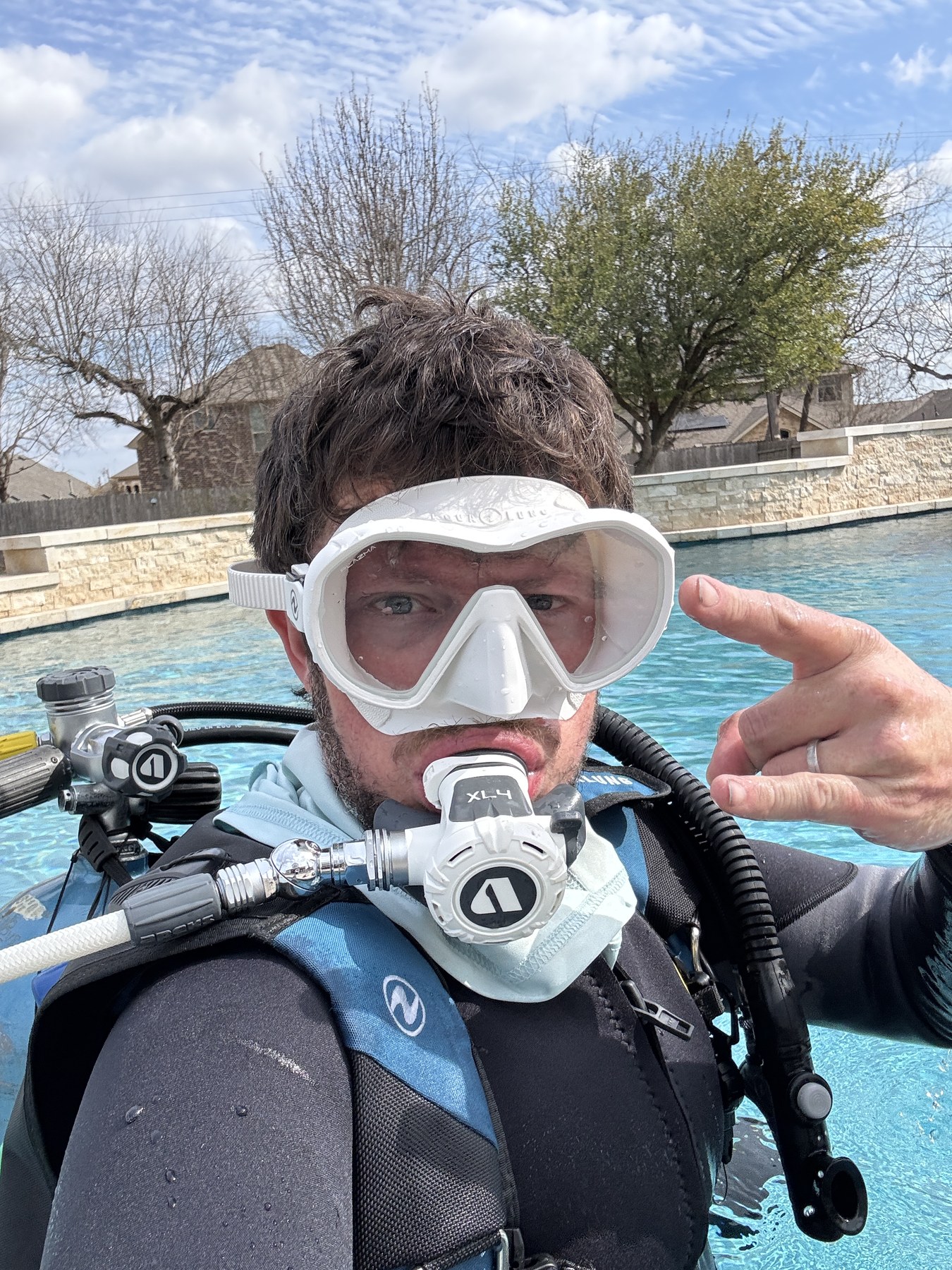
Why underwater documentation matters.
A leak can look simple from above and still have several possible causes. Water loss may come from a fitting, a skimmer throat, a light niche, a return line, a hydrostatic relief area, a crack, or a plumbing run outside the shell.
Good documentation does not replace testing. It makes testing smarter. It gives homeowners a clearer way to ask: where is the water actually going, what evidence supports that conclusion, and what repair path avoids unnecessary demolition?
What underwater documentation can show.
Visible conditions
A dive review can document cracks, shell surface changes, light niches, returns, drains, fittings, tile transitions, skimmers, and suspected leak locations.
Next tests
The review can show where visual evidence is not enough and pressure testing, dye testing, plumbing isolation, or a qualified leak specialist may be needed.
Repair decisions
Photo and video evidence can help homeowners compare repair scopes before a contractor opens the pool shell or hides the condition that caused the concern.
When homeowners call.
- The pool is losing water and the cause is unclear.
- A visible crack, light niche, fitting, skimmer, or drain looks suspicious.
- A contractor has proposed a repair without enough documentation.
- There are ASR, shell movement, or plumbing stress concerns.
- The homeowner wants photos or video before approving work.
- The next step may need pressure testing, dye testing, engineering review, or a specialty leak-detection professional.
Underwater field documentation.
These clips were prepared from the original GoPro recordings and converted to web-friendly MP4 files for local page testing.
What the documentation should help answer.
- Is the concern more likely shell-related, fitting-related, plumbing-related, or still unresolved?
- What areas were visually checked under water?
- What should be pressure tested before repair begins?
- What should be documented before demolition hides the evidence?
- What repair assumptions need to be challenged or confirmed?
- Which qualified professional should be involved next?
A note on boundaries.
BuildAdvocate can document visible underwater conditions and help organize the next questions. We do not replace licensed engineering, plumbing pressure testing, insurance representation, or specialized leak-detection equipment when those are needed.
The goal is to help the homeowner organize evidence, identify the right next tests, and understand whether a proposed repair scope is supported by what has actually been documented.